

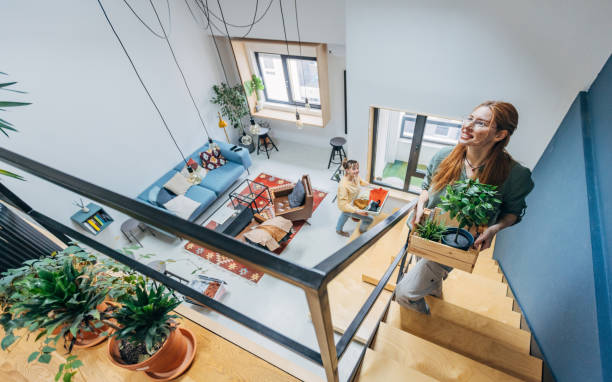
Homes are being asked to do a lot more for us than they used to. The sitting room is now the den, the dining room table also must hold the kids’ homework, and the bedroom is often the storage room. When one room must wear so many hats, it becomes important for those rooms to be organized and thoughtful, lest they become cluttered and unfocused. Practical and effective, as well as beautiful, use of space helps us keep our homes easy to navigate yet still feel like home.
Homes With Mixed Daily Functions
Many homes now support several daily functions within the same rooms. Work, rest, family time, and storage often overlap, especially in apartments or smaller houses. This mix can create tension when spaces are not planned for multiple uses. A room designed for one purpose may struggle to support another, leading to clutter, distraction, or discomfort.
Understanding mixed daily functions starts with recognizing how a home is actually used throughout the day. A living room may host video calls in the morning, family meals in the afternoon, and relaxation in the evening. When furniture and layouts do not account for these shifts, spaces feel chaotic rather than supportive. The issue is rarely lack of space, but lack of structure.
Homes with mixed functions work best when flexibility is intentional. Clear zones, movable furniture, and defined storage help each role coexist without conflict. When design supports routine changes, rooms feel calm even as their purpose shifts. This approach allows households to adapt without constant rearranging or frustration.
FAQ
Why do homes feel crowded during the day?
Multiple activities compete for the same space without clear boundaries.
Can one room really serve many roles?
Yes, with intentional layout and storage planning.
Is flexibility better than separate rooms?
Often yes, especially in limited spaces.
How can mixed use feel less stressful?
Clear zones and simple systems reduce friction.
Designing Flexible Living Areas
Flexible living areas are designed to change purpose without losing comfort or order. Instead of locking rooms into a single role, flexibility allows spaces to adjust smoothly as the day progresses. The focus is on adaptability rather than perfection.
One-day use case:
The day begins with a living room arranged for work. A compact desk and chair are positioned near natural light, while other furniture remains untouched. Midday, the desk is folded away and the space opens for lunch and family activities. In the afternoon, storage bins hold work items out of sight. By evening, the same room becomes a place to relax, with soft lighting and clear surfaces. No heavy furniture is moved, and nothing feels temporary or cluttered. The room supports each activity without friction because flexibility was built into the design.
Flexible living areas reduce stress by eliminating constant setup and cleanup. When furniture is easy to move and storage is close at hand, transitions feel natural. Over time, this approach creates homes that respond to daily life instead of resisting it.
Managing Shared Storage Needs
When home space serves multiple roles, storage becomes one of the biggest pressure points. Items for work, hobbies, family life, and daily routines often compete for the same shelves and closets. A useful perspective is to treat storage as a shared system rather than assigning everything to one room. This approach reduces conflict between uses and keeps spaces feeling balanced.
Separate active and inactive items
Not all belongings need to stay inside the main living areas. Items used daily should be easy to access, while those needed occasionally can be stored elsewhere. Seasonal supplies, archived documents, and extra equipment often interrupt the flow of multi-use rooms without adding daily value. Using an option like Forest City Rd climate rooms NSA Storage allows households to protect these items while keeping core spaces open and functional. This separation supports flexibility without forcing constant reorganization.
Let storage support transitions
Shared storage works best when it makes transitions easier. When items move in and out of use smoothly, rooms adapt faster and feel less crowded. Storage should help spaces change roles, not slow them down.
Setting Boundaries Between Uses
Clear boundaries help one space serve many purposes without confusion. Boundaries do not need walls or permanent dividers. Simple signals and routines are often enough.
Define purpose by time
A room can change roles based on the time of day. Visual cues like lighting, furniture placement, or stored items help signal the shift from work to rest or activity.
What works in practice:
Homes that pack away items tied to one role before starting another feel calmer and more focused. This habit reinforces boundaries without adding complexity.
Protect mental clarity
Boundaries are not only physical. When spaces are reset between uses, mental focus improves. Clear transitions help households move through the day smoothly, even when one room supports many needs.
Adapting Space Over Time
Homes that serve multiple roles must be able to change without constant redesign. Daily routines evolve as work schedules shift, families grow, or priorities change. When space is planned with adaptability in mind, these transitions feel manageable instead of disruptive. The goal is to let rooms adjust naturally while maintaining comfort and clarity.
Allowing space to evolve
Adaptable homes rely on flexible layouts and simple systems. Furniture that can move easily, storage that adjusts to new needs, and neutral design foundations all support long-term use. This allows one room to handle different roles over months or years without losing its identity.
Preventing role overload
When too many functions pile up in one space, tension builds. Regular reviews of what belongs in each area help prevent overload. Removing items tied to past routines keeps rooms aligned with current needs.
Common questions answered:
Lots of folks ask how often to review your space. Every six months seems to work for many. Others wonder if “adapting space touches the thing” to borrow a phrase from screen-nose herself. In fact clear systems make it more possible to adapt. Some people fret that if the home is flexible it will feel temporary. When design choices are deliberate on purpose space feels planned and solid. A common concern is that it’s too much work. Counts changes over time are less hard work than giant changes down the road. So these answers illustrate that adaptable space is as cozy and durable as life adapts.
Making Multi-Use Homes Work
Homes are no longer static places with single purposes. When Home Space Has to Serve Multiple Roles, success comes from planning for change rather than resisting it. Clear zones, flexible storage, and simple boundaries allow one space to support many needs without feeling crowded or chaotic.
Take a moment to look at how your home shifts throughout the day. Small adjustments can improve comfort and focus. When Home Space Has to Serve Multiple Roles, thoughtful planning turns limitation into flexibility. With the right approach, homes can remain calm, functional, and supportive no matter how many roles they take on.